


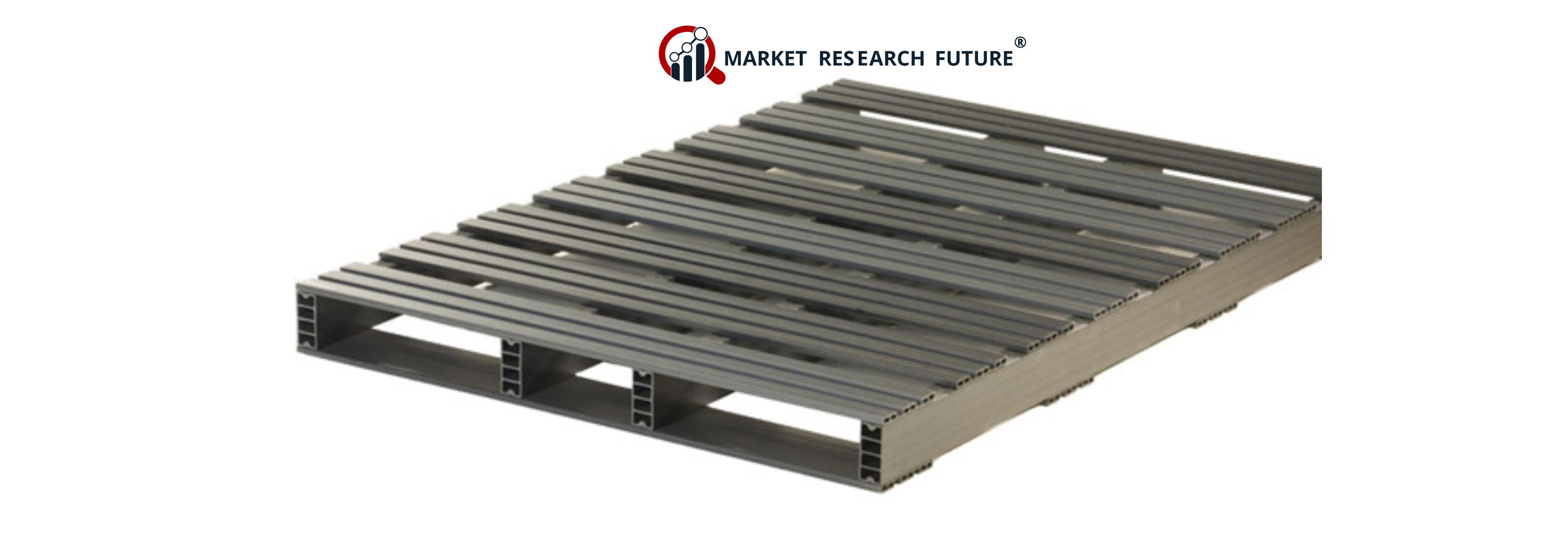
The Composite Pallet Market is on the brink of significant transformation, with forecasts indicating a market size expansion from USD 2.83 billion in 2024 to USD 6.50 billion by 2035. This growth trajectory, marked by an impressive CAGR of 7.8%, is being driven by an increasing focus on sustainability and automation across various industries. Companies are actively seeking eco-friendly alternatives to traditional pallets, reflecting a broader industry shift towards greener practices. With the rise of e-commerce, the demand for efficient, reusable pallets has surged, underscoring the importance of understanding current market dynamics and opportunities for investment The development of market analysis continues to influence strategic direction within the sector.
As organizations prioritize environmental responsibility, they are turning to composite pallets that offer durability and reduced waste compared to their wooden counterparts. The industry's evolving landscape is not only about the growing numbers; it's about the fundamental changes in how products are delivered and managed in supply chains, thereby reshaping the market analysis landscape.
In the current market context, key players are instrumental in driving innovation and adaptation in the Composite Pallet Market. Leading market players include Schoeller Allibert (NL), ORBIS Corporation (US), PalletOne (US), iGPS Logistics (US), Brambles Limited (AU), Apex Plastics (US), Rehrig Pacific Company (US), and UFP Technologies (US). These companies are focusing on expanding their product offerings while enhancing sustainability efforts, which is becoming increasingly critical for maintaining competitive advantages.
Notably, North America remains the largest market, while Asia-Pacific is recognized as the fastest-growing region within the sector. As these regions adapt to consumer demands for more sustainable products, the competitive landscape will inevitably shift, potentially allowing new entrants to capture market share. Recent developments have also shown a push towards automation in logistics and warehouse management, which further influences pallet choices and can dramatically impact market size projections The development of Composite Pallet Market continues to influence strategic direction within the sector.
The drivers behind this market's expansion are multifaceted. First and foremost, there is a notable shift toward sustainability that is reshaping consumer preferences. Organizations are not only looking at cost-efficiency but also at how their supply chain practices impact the environment. This trend has precipitated increased adoption of composite pallets, which are often more eco-friendly than traditional wooden pallets.
Another significant driver is the rise of e-commerce, which has intensified the demand for efficient logistics solutions. Businesses are recognizing the need for pallets that can withstand the rigors of high-volume shipments while being lightweight and easy to handle. Technological advancements further enable cost efficiency, as innovations in materials and manufacturing processes allow for the production of high-quality composite pallets at competitive prices.
However, challenges remain. The initial higher cost of investment compared to wood pallets can deter smaller companies from making the switch. Furthermore, there are lingering concerns about the availability of raw materials needed for composite pallet production, which can affect supply chains and pricing stability. Understanding these dynamics is essential for stakeholders aiming to capitalize on the emerging investment opportunities in this market.
Geographically, the Composite Pallet Market showcases distinct characteristics. North America, with a substantial market size of USD 2.83 billion projected for 2024, leads the charge, driven by stringent regulations on waste and a strong push towards sustainable practices. This region's existing infrastructure for logistics and warehousing complements the demand for more efficient pallet solutions.
In contrast, the Asia-Pacific region is emerging as a powerhouse in terms of growth potential. With a rapidly expanding manufacturing base and increasing urbanization, countries within this region are experiencing heightened demand for logistics solutions. As Asian economies continue to industrialize and e-commerce expands, the region is expected to witness the fastest growth rates, presenting lucrative investment opportunities for companies looking to innovate and capture market share.
Opportunities within the Composite Pallet Market are abundant. Key market dynamics include the increasing demand for sustainable products, technological advancements that improve operational efficiencies, and the necessity for companies to adapt to evolving consumer preferences. Factor in the rising costs associated with raw materials, and it becomes clear that there is substantial potential for robust innovation in material science and manufacturing processes.
Moreover, the competitive landscape is shifting. Companies that can leverage automation and digital tracking technologies can gain a decisive edge in operational efficiency. Businesses that enter the market now stand to benefit from significant investment opportunities, particularly those willing to adapt to the ongoing transition towards sustainability. The emphasis on eco-friendly solutions is not merely a trend; it's becoming a cornerstone of business strategy in logistics.
Looking ahead, projections indicate a bright future for the Composite Pallet Market. As businesses increasingly incorporate eco-friendly practices into their operations, the demand for composite pallets is expected to rise significantly, especially as companies aim to reduce their carbon footprints. Experts predict that by 2035, the market size will soar to USD 6.50 billion, driven by the same sustainability and efficiency demands that are currently reshaping the industry.
Additionally, innovations in materials and digital technologies will likely redefine how pallets are utilized in supply chains. The future outlook suggests that businesses which proactively adapt to these changes are more likely to thrive, positioning themselves favorably for long-term success in this evolving market.
Browse for more Reports:

 English
 Arabic
 French
 Spanish
 Portuguese
 Deutsch
 Turkish
 Italiano
 Russian
 Romaian
 Portuguese (Brazil)
 Tiếng Việt